Loofah Sponge Benefits Uses and Buying Tips
October 11, 2026
How to Use a Loofah Spononge
November 4, 2026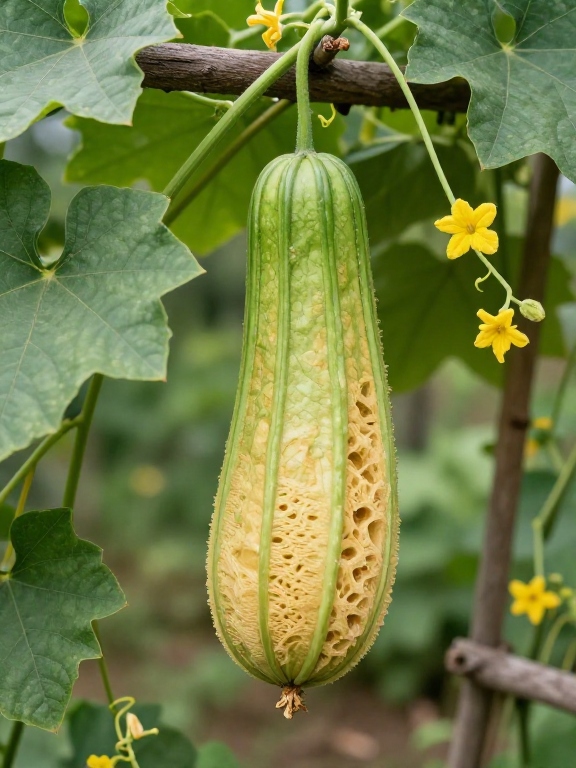
With natural loofah sponge plants the fruit can be eaten or used as a sponge. Loofah sponge plants can be grown in the garden if there is a sunny location for a vining plant. With a warm sunny location and space there can be multiple rewards for growing loofahs.
Loofah plants are grown like other vining plants with a structure for them to climb, Loofahs can be harvested young for eating or older for the fiber used for sponges or scrubbing, Knowing the plant and its uses can help with deciding when to harvest.
Key Takeaways
Plant fiber sponges are from the luffa plant.
Loofahs like a long warm growing season to be fully mature.
Dry and store the fiber for later use.
What Plant Makes a Natural Loofah Sponge?
The luffa plant is the plant that produces the loofah sponge, It is a gourd-like fruit that has a fiber similar to a sea sponge, The plant is hardy and can be grown in most of the U.S. with the mature fruit taking a long time to be fully mature.
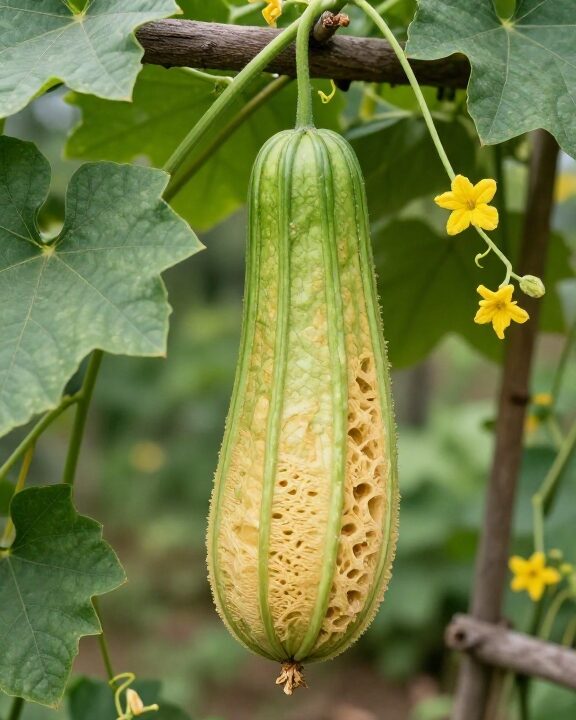
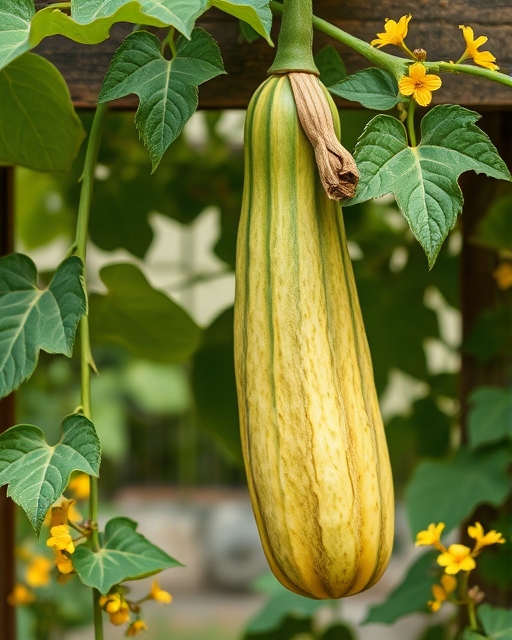
Luffa (also called loofah or loufa) is related to cucumbers and squash and has a similar growth pattern. A young luffa is edible and harvested like summer squash but a fully-mature luffa has fibers throughout the fruit and is inedible. The fibers of the mature luffa are harvested and used as a sponge. A luffa plant can be harvested numerous times during the growing season for edible squash like fruits but luffa has a secondary use as a sponge. Luffa can be harvested selectively as opposed to other crops that are either harvested all at once or not harvested at all.
Once you know which fruits to harvest the next question is whether your garden has enough heat and growing time for them to fully dry on the vine. Luffa is not hardy to cold so it can’t be grown as a sponge in most areas.
How to Grow a Natural Loofah Sponge Plant
If you can provide your garden with a long hot summer and enough space for a climbing vine you can probably grow luffa for sponges. Luffa plants need about 150 frost free days to fully dry and mature the gourds. While leaves and flowers may form in a shorter growing season the fruit may not be able to fully mature.
In cooler climates with a short growing season the most important factors are the warmth of the soil and an early start. Starting seeds indoors allows the vine to get a head start before outdoor conditions are optimal. Of course a sunny location helps to take advantage of the short growing season.
Give the Vine Sun Warmth and a Long Season
Choose a location that has full sun and warmth for the entire growing season, A luffa vine may set fruit and small sponges but frost will prevent development to full sponges. Mature fruit is as important as frost free time for the vine to produce sponges. Shorter summers benefit from the vine being established as early as possible but nothing replaces the time needed for the vine to fully develop the sponges.
Growing Factor Typical Need What it Means for the Garden
Sun Full Sun Choose a location that is very sunny
Season About 150 frost free days Start vine early where necessary
Vine Length About 15-30 feet Plan for the vine to get very long
Support Sturdy trellis or fence Provide enough width to spread for the vine to get very long
Sow seeds indoors in individual containers.
Keep them indoors until they have 2 sets of true leaves then move them outdoors for an incrementally longer period of time to acclimate them to outdoor conditions.
Transplant them next to your planned support for vine growth once the soil is warm and frost danger has past.
Young luffa plants need to be handled delicately during transplant. Afterward they need to be directed toward a support structure to aid in the climbing process, Luffa plants are somewhat heavy feeders and need consistent watering especially during bloom and fruit set.
How to Care for a Luffa Vine as It Grows
Even pollination of the flowers is necessary for a good set and subsequent fruit production. Improving pollination can be done by improving air flow or be manually done. If the vine gets leggy and produces a lot of leaves with no fruit the fertilizer dose should be lightened.
Moisture Loss is Mulch’s Purpose
As with all growing things consistency is key and even more important during dry spells, Water deeply to encourage the roots to dig and seek out moisture, Mulch can help with this as well, To avoid moisture loss keep mulch away from the base of the stem.
Harvest and Loofah Sponge Production
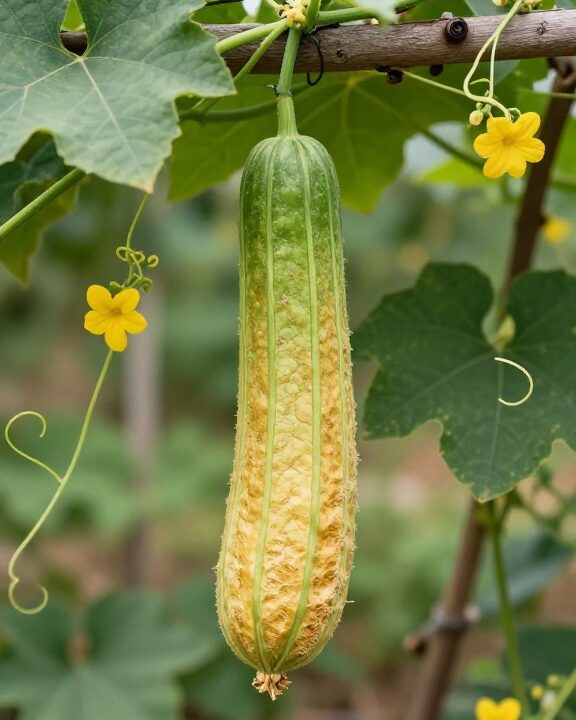
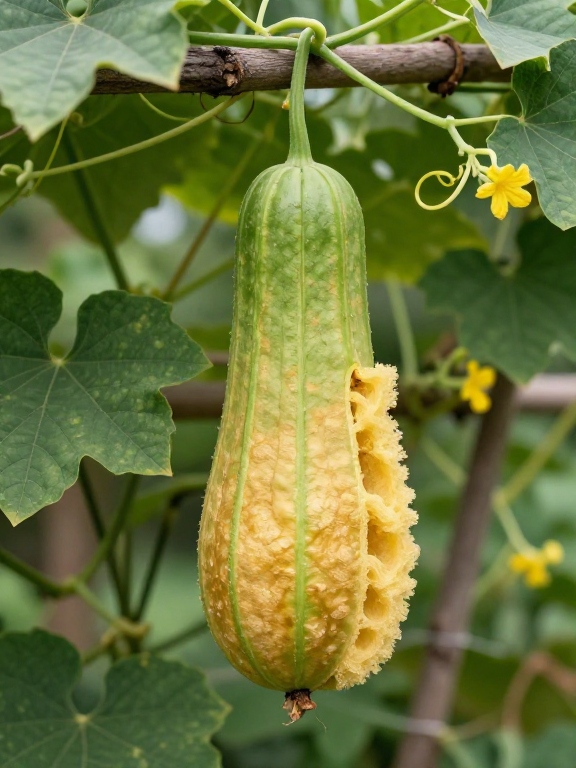
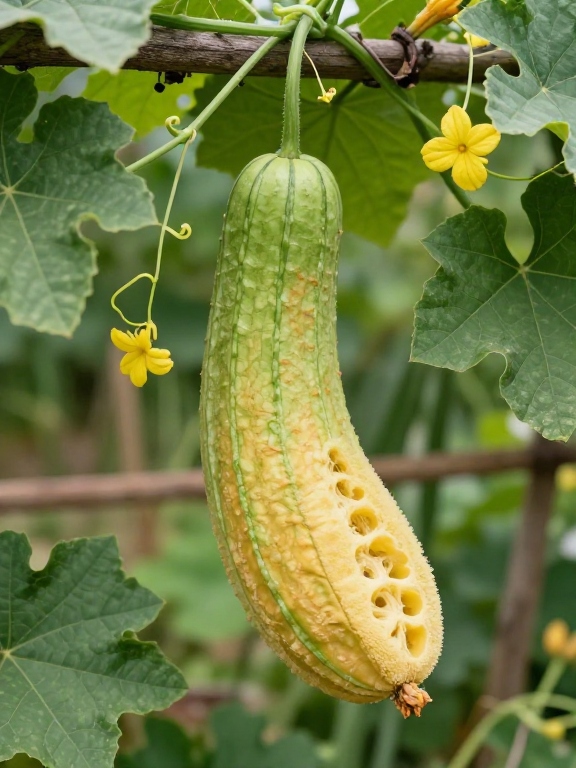
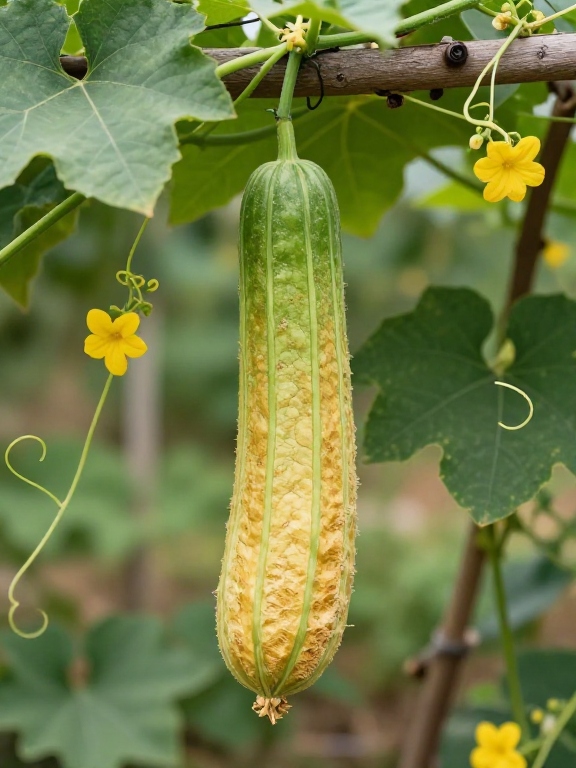
A luffa gourd turns dry and brown when it is fully mature. Harvesting the gourd before it turns dry and brown is not recommended. If hard frost is predicted luffa gourds that have turned dry and brown can be harvested.
A mature sponge gourd may look similar to a young gourd that is still growing and is edible, A gourd that still feels green or wet is not fully dried and needs more time to fully dry. If a hard frost is approaching bring it in before the cold damages the gourd.
Do not use a damaged moldy gourd. A sound gourd will need a thorough rinse to clean and a complete dry to be ready for use.
How to Use a Natural Loofah Sponge?
There are many uses for the natural fiber of the plant that makes a loofah sponge. You can adjust the thickness of the fiber for different uses, Fiber can be used for craft projects or to scrub different surfaces. Match the texture of the fiber to the surface you are scrubbing.
Loofah fibers and sea sponges are similar in that they are neither automatically the best fit for every situation nor for every user. Before using loofah fibers for kitchen cleaning test it on a small hidden area and don’t use it on delicate or coated surfaces because it may scratch.
- Use
- Prepare it
- Good fit
- Use caution
- Bathing
- Softening with water
- Gently exfoliate skin
- Avoid using on irritated skin and/or delicate skin
- Kitchen cleaning
- Wet and add dish soap
- Use on dishes and other sturdy household surfaces
- Test first; avoid using on delicate or coated surfaces
- Crafts
- Cut to the size needed
- Other crafts and soap making
- Use fully dry clean fiber
Know When to Replace It or Skip It
There are several reasons for this. First the loofah can retain moisture and along with it skin flakes and other debris which can lead to irritation on the skin especially if the skin is already broken or if the person is prone to skin infections. Also a loofah is not to be shared with or used on another person’s face.
Purchasing Options
Decide for yourself whether you want to buy a finished sponge or purchase seeds or a living plant to grow your own luffa. Seeds and living plants can be found at seed and garden supply stores. Searching “luffa near me” can help you find local garden centers. Bath and household retailers may sell finished loofah sponges as well.
These products will be displayed in bath kitchen or zero waste household sections. Natural loofah sponges come in various sizes and textures and the best option depends on what you’ll be using it for.
- What you want
- Where to look
- What to check
- Seeds
- Garden retailers seed suppliers
- Luffa is identified in seed packet
- Live plant
- Local nurseries garden centers
- Healthy growth and seasonal availability
- Finished sponge
- Bath kitchen and zero waste household sections
Intact plant fibers and suitable texture
For a natural loofah sponge expect a longer growing season if you plan to get the plant and raise it yourself. For a quicker satisfaction buy a finished loofah sponge.
The expectation from a homegrown harvest also depends on various factors. For example how much time does the vine have to mature the fruit before frost.
What to Expect From a Homegrown Loofah Harvest
A healthy and suitable conditions may also yield many fruits but the count varies. The number of homegrown loofahs you get also depends on variety pollination and care. For most gardeners in the U.S. Luffa is frost-sensitive and grows as an annual so you may have to plan to get a new seed next year.
A single luffa vine can produce many fruits but the number is unpredictable as a frost can end the growing season at any time.
A single vine can in theory produce many fruits but there are many factors that determine whether fruits can mature. Some factors include the growing season the cultivar and whether flowers set fruit. There may be exceptions to this in more frost-free climates. If you want to save seeds you can let a fruit mature but you are still at the mercy of the next growing season. Start with one vine and see how many fruits it can produce.
Conclusion
There are a few choices you can make as a gardener that can improve the odds of you having homegrown sponges. Choose a long growing season provide support and a warm growing location.
Preparing support and making space for the vine are choices that will improve your odds of having homegrown sponges. Pick a good planting date.
FAQ
What are natural loofahs good for?
Natural loofahs are an exfoliating body scrub a dish scrubber a texturizer for crafts and a handy household scrubber. With any natural scrubber test how fibrous it is on an unseen area of a delicate surface (like a piano) to see if it’ll scratch the surface.
Do loofah plants come back every year?
Generally no. Loofah vines are killed by frost and it is typically grown as an annual starting from seed each year. Seeds from the fruit can be saved for planting the next crop. Loofah vines can survive in areas with no frost but most gardeners can assume their loofah vine will not survive the winter.
Is there an all-natural loofah plant?
Yes. A loofah sponge is made from the fiber of the luffa gourd, Young luffa gourds can be cooked and eaten like squash and the fiber can be used as a natural scrubber when fully mature. The fiber is then processed to make a vegetable based sponge, It’s not made from sea sponge.
Why don’t dermatologists like loofahs?
Loofahs can trap skin cells and oils. If the loofah doesn’t dry out between uses skin cells and oils can mix with water and create a medium for bacteria to grow and thrive. Using a loofah on broken or raw skin can cause infection. A loofah on the face can cause severe acne. To prevent this don’t share your bath loofah and hang it up after you bathe so it can dry.