
Naturally Grow Loofahs at Home
October 19, 2026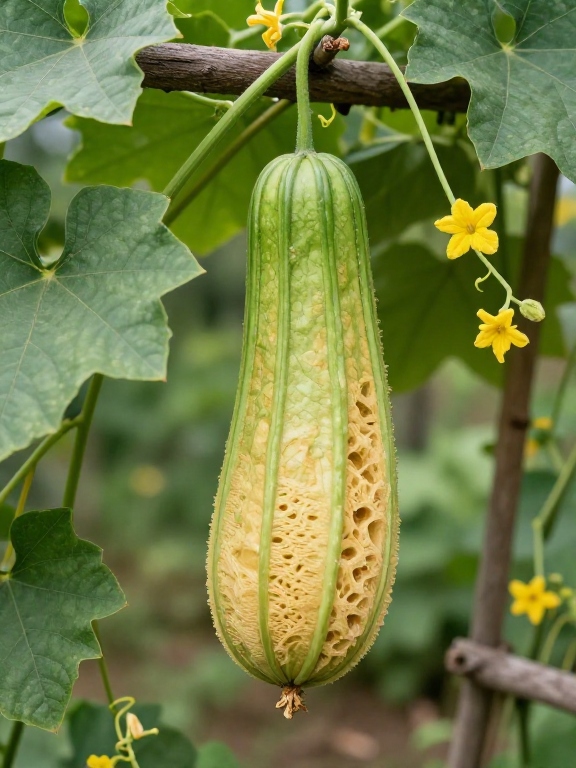
A loofah sponge is a natural body sponge. It is very rough so it requires careful use. It can exfoliate your body as it cleans it. Exfoliation is the removal of dead skin cells. This is accomplished through the use of friction. A loofah is a good choice if you like to have a textured sponge in your shower. However you should not apply too much pressure when using it.
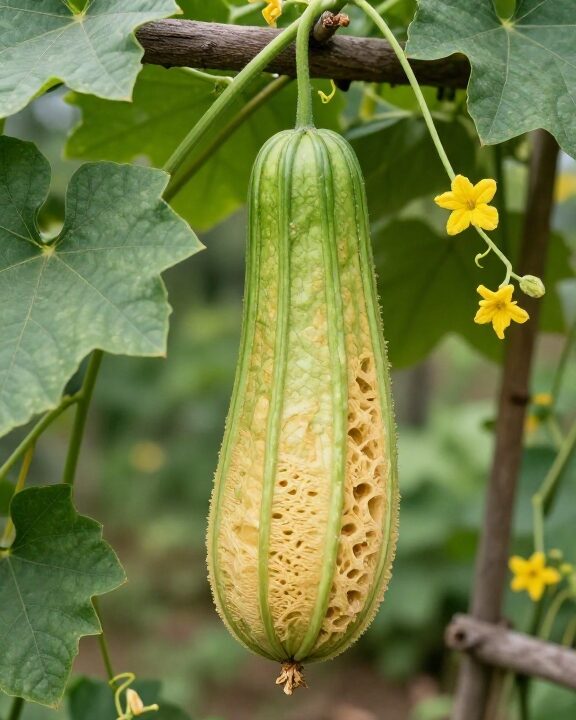
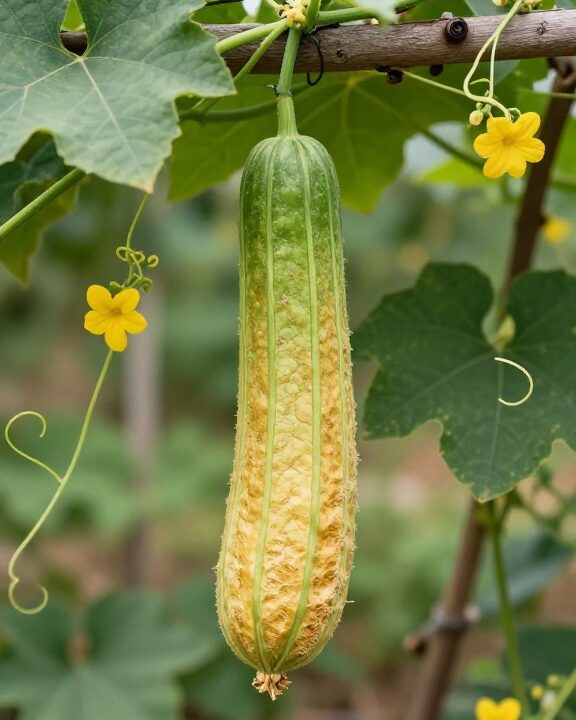
There are two main types of loofah sponges natural and synthetic. A natural loofah sponge is made up of the fibers of a plant. A synthetic loofah sponge is made of plastic. The fruit of the loofah plant is edible when it is still small. Larger loofah fruits are hard and fibrous. The hard and fibrous fruit wall of the loofah plant is used to make natural loofah sponges.
You should use a loofah sponge if you like to have a textured sponge in your shower. A natural loofah sponge is easy to clean and will biodegrade.
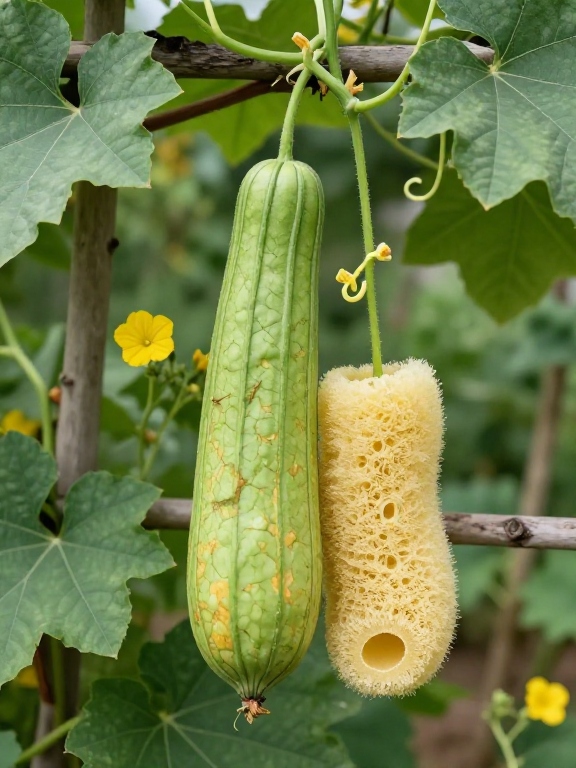
How does a plant related to squash become a bath scrubber?
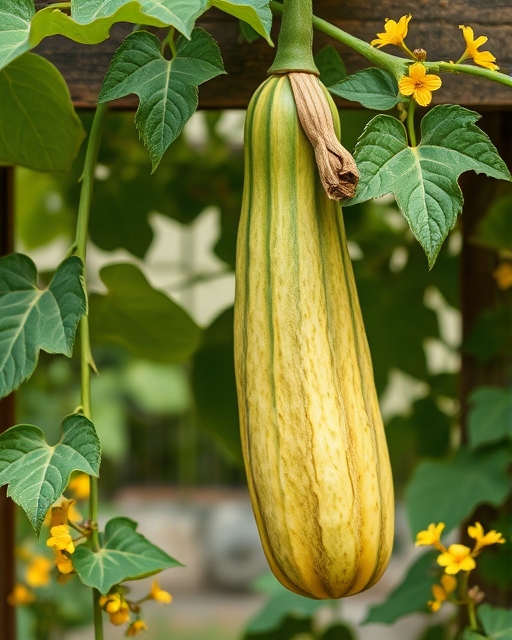
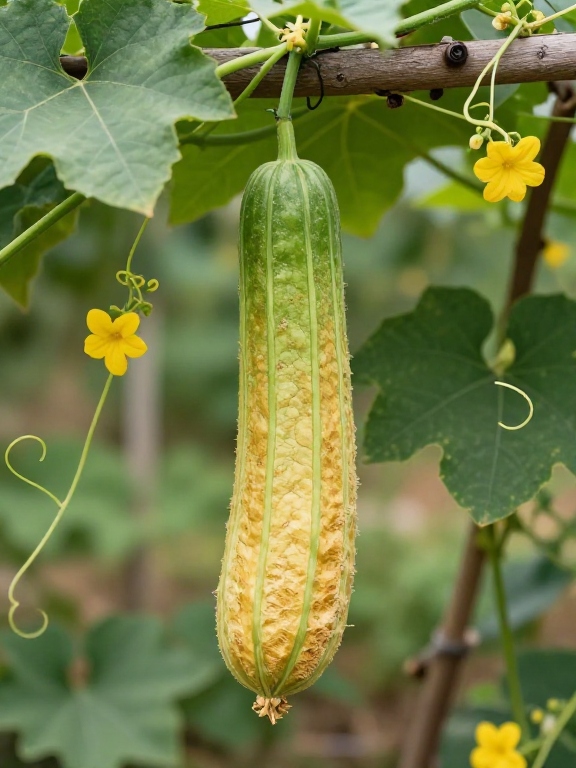
Luffa aegyptiaca is a squash relative that grows as an annual vine, The fruit of the vine can reach a length of about 12 inches, The immature fruit is eaten in parts of Asia. As the fruit matures it losses most of its water and shrinks leaving behind a rigid wall with an inner fibrous structure.
The fibrous wall of the mature fruit is not edible.
As the fruit dries the wall becomes rigid and the fibrous structure remains. Therefore the immature fruit is edible and the fibrous wall of the mature fruit is used as a bath scrubber.
Where it is found and pronunciation
It is native to parts of South and Southeast Asia. As a tropical plant it requires warm climates to grow. It is not a plant that is found in marine environments and therefore is not related to sea sponges. The gourd vine is sometimes called a loofah sponge plant.
As a bath scrubber the fibrous wall of the mature fruit is only of use if the outer wall of the fruit has completely dried. Village industries to produce loofah fibers are found throughout the native range of the plant.
How Many Times Should You Use a Loofah in a Week?
The average person can benefit from using a loofah to exfoliate their body once or twice a week, Using a loofah on your body on a daily basis is not necessary, Using a loofah to exfoliate your body should only be done once or twice a week at the most.
Men and women should not have different frequency of use of a loofah. Whether or not a person can benefit from using a loofah to exfoliate their body should be determined by the individual and not by their gender.
What Exfoliating Your Body Does
Using a loofah can help remove dead skin cells. This does help body skin to feel smoother. However constantly exfoliating your body to remove dead skin cells will not improve your skin and can cause skin to become irritated and breakout even more. It is recommended not to exfoliate your body if you have a body rash.
Do not use a loofah on your face or genitals loofah should only be used on your body during a shower, It is recommended to wait to use a loofah on your body after you have shaved so your skin can recover.
How Often Should You Use a Loofah?
Following the recommendations of most dermatologists using a body exfoliating mitten or glove is also recommended no more than two times a week, This should also be the maximum number of times you use a loofah on your body in a week, Using a loofah less can help if your skin feels dry or irritated.
The body exfoliating mitten should also not be used more than 1-2 times a week. Daily body exfoliation is not necessary and can cause skin irritation as well as worsen body acne and eczema.
If skin is already raw and irritated do not use the exfoliating mitten until raw and irritated skin has healed.
Why is a Wet Loofah Concern for Hygiene?
Bacteria and fungi can thrive on a wet loofah. Loofahs are designed to be used and then to dry out. A study in 1994 showed that on loofahs various bacteria such as Pseudomonas Klebsiella Enterococcus and Group B Streptococcus grew. Just because bacteria can grow on a loofah doesn’t mean that using that loofah will give you an infection. The conditions in the study that allowed for bacterial growth may not be present for every use of that loofah.
Hard and rough exfoliation can result in skin irritation dryness and even body acne.Using an exfoliating mitten will not make skin any cleaner than using a normal body sponge.
Face and body tools must be kept separate. Those should never be shared with anyone. Setting the study aside for the moment let’s assume there’s some truth to the saying “everything in moderation” and not jump to the conclusion that everything we come into contact with is immediately dangerous.
How do you clean and replace a loofah?
Loofahs need to be dried after each use and cleaned every week. Between showers loofahs should be left to dry and not accumulate in a mass with all the other loofahs. Weekly cleaning should consist of soaking the loofah in a diluted bleach solution. After the soaking the loofah should be rinsed and dried. Loofahs should be replaced if a moldy or musty odor is noticed.
To sum up the loofah care instructions:
Drying should occur after every use.
Cleansing should occur once a week with a bleach solution.
How long does a loofah last?
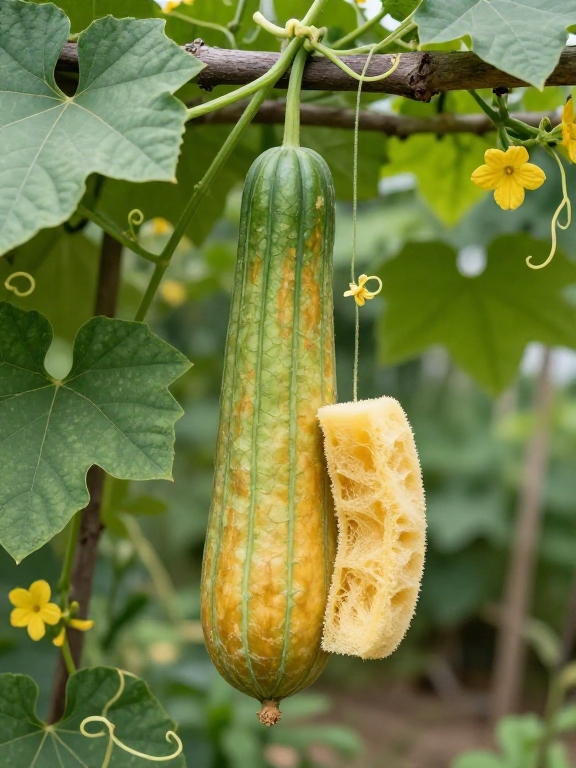
A natural loofah will only last about a month. Plastic loofahs will last about two months. Mold and odor are signs of decay that warrant immediate replacement however you should replace your loofahs according to the timeline above to play it safe.
Natural loofahs are biodegradable and plastic loofahs are not. Because of this it’s important to remember which material you use so that you replace it accordingly. Natural loofahs will last about a month and plastic loofahs will last about two months. Mold and odor play no part in determining when a loofah should be replaced.
What should I use if I don’t want to use a loofah?
Fabric washcloths are easy to clean and compact, Unlike loofahs a low-quality washcloth won’t easily trap material and fabric is less susceptible to breaking down like a loofah, You should use a product that facilitates easy and consistent cleaning.
Men do not need a special loofah. Although plastic scrubbers are more convenient because of their longer lifespan if you wish to use a plant-fiber scrubber more power to you. It’s up to you to decide which product you can maintain the longest.
Easier to wash washcloths
Washcloths made with cotton and bamboo can be tossed in the washer making them convenient to use with your towels. Parachute’s Classic Turkish Cotton Washcloth can be machine washed and dried on low. While machine washing and drying is indicated for the Parachute washcloth it is not an indication of washcloth ranking.
Other options:
Alternatively a silicone body scrubber can also be used for exfoliation. The Sud Scrub should be washed and air-dried. While a body exfoliating mitten is also an option it is not necessary to exfoliate daily.
The ideal option is to use the exfoliator of your choice as long as it does not lead to skin irritation.
- Tools
- Care details
- Practical differences
- Bamboo or cotton washcloths
Both machine washable however Parachute’s Turkish Cotton Washcloths recommend tumble drying on low and a cold wash cycle.
Easier to clean and dry. Also less likely to trap dirt etc.
Parachute’s Scrubber is antibacterial so this procedure is recommended.
- Body scrubbers
- Limited use to 1-2 times a week.
- Other exfoliating options are available
FAQ
Is there a loofah that is biodegradable?
A biodegradable and natural alternative to a traditional loofah is a loofah made with dried gourd fiber. The care and replacement requirements for a natural loofah vary from a synthetic loofah. You should use a natural loofah if you prefer a more natural product.
What is the best body cleansing product?
There is no body cleansing product that is the best for all situations and situations. Bamboo and cotton washcloths are easy to clean. You can machine wash them, The best body cleansing product also varies depending on your skin sensitivity and irritability, Make sure the product you use is able to dry between uses.
What is the most natural body exfoliator?
There is a broad variety of natural body scrubbers. You should use the body scrubber that is best for your situation and situation. Body scrubbers made with natural gourd fiber can be used as a body exfoliator.
Are loofahs the best?
Sometimes convenience takes priority, Washcloths whether made of cotton or bamboo can be used similarly to loofahs, The main difference is that washcloths can be more easily laundered and are generally more practical, Ultimately the user must decide what feels better.
What is the best loofah?
The description of the best qualities of a loofah depends on your personal preferences. Some prefer loofahs made of plant fibers while others prefer a smoother feel and a loofah made of plastic. The same plant fiber loofah can be rough on the skin and require constant replacement. The same applies to a plastic loofah.
What do dermatologists suggest?
Dermatologists advise against loofahs because the fibers can break and harbor bacteria, Loofahs can be replaced with machine washable bamboo or cotton cloths, A silicone scrubber can also be used but must be completely dried and stored.